If your usual follow-ups no longer get an overdue restoration invoice paid, you may need a different approach to collection.
The question is, with different ways to handle restoration company debt collections, how do you know which approach makes sense for your outstanding accounts?
In this guide, we'll explain how debt collection works in the restoration industry to help you determine which recovery solutions make sense for your business.
TL;DR
- Restoration company debt collections work best when the collection approach matches why an invoice remains unpaid and how far collection efforts have already gone.
- A clear process starts with reviewing overdue accounts, contacting the right payer, documenting collection attempts, resolving payment issues, and knowing when to escalate.
- Restoration companies can manage debt through automated collections, an in-house team, a collection agency, or a collections attorney depending on the account.
- The right approach depends on how overdue the debt is, why payment has stalled, and whether the company can still manage the account internally.
- AR Workflow helps restoration companies keep collections in-house by automating routine follow-ups and keeping unpaid invoices from getting lost in the day-to-day work of running the business.
Why Debt Collection Is Different for Restoration Companies
Debt collection can start with direct follow-ups from your own team and, depending on how the account progresses, may eventually involve outside collection or legal help.
For many restoration contractors, though, figuring out why a balance remains unpaid can be more complicated. The person or property owner who hired you isn't always the only party involved in getting the invoice paid.
Insurance companies may also be involved in the claim, and some jobs may involve insurance adjusters or mortgage companies. That means an overdue invoice doesn't automatically tell you who needs to take action next.
One account may simply need another reminder from your team. Another could be waiting on insurance funds or information needed to move the restoration payment forward. You could also have a customer disputing part of the invoice.
Those differences affect how you should approach the debt. Before deciding what collection action to take, you need to understand what has already happened with the account and what is currently preventing payment.
Why It Matters to Your Cash Flow
An unpaid restoration invoice represents work your company has already completed without receiving the full amount it's owed.
By that point, you've already had to cover the costs required to complete the job. When payment remains outstanding, that money stays tied up in accounts receivable (AR) while the business still has payroll, bills, and other expenses to cover.
Unfortunately, the effect of late payments isn't small. QuickBooks' 2026 Small Business Late Payments Report found that 39% of small business owners experienced a late payment that made it harder to cover payroll or bills during the previous year.
That's why, for a restoration company, letting overdue invoices continue to age can put more pressure on the cash available to run the business and take on new jobs.
Debt collection gives those unpaid accounts an active process for moving toward payment. The sooner your team knows which accounts need attention and what is holding them up, the sooner you can decide what needs to happen next.
How to Handle Restoration Company Debt Collections
Now, how exactly should you handle unpaid invoices? Here's how to approach it step by step.
Step 1. Review and Prioritize Your Outstanding Accounts
Start by looking at which invoices are overdue and how long each one has been outstanding.
In restoration company debt collections, invoices often need to move toward formal recovery between 60 and 90 days past due. Recovery rates fall sharply after six months, so aging should influence prioritization.
But don't prioritize an invoice based on its age alone. Check what has already happened with the account and whether your team is currently waiting on someone else to take action.
For example, if someone spoke with the homeowner three days ago and they're waiting on information from an insurer, another reminder probably won't accomplish much. If nobody has contacted the customer for several weeks, that account may need more immediate attention.
Looking at both the invoice age and its recent collection history gives your team a clearer picture of which past-due invoices to address first and what type of follow-up makes sense for each one.
Step 2. Make Direct Contact With the Responsible Payer
Once you know which accounts need attention, contact the person or organization responsible for moving the payment forward.
The key is knowing who that is. If the customer owes the balance directly, your team can contact them about the outstanding invoice and ask what is preventing payment.
If another party is involved in the process, you may need to determine what information is still needed, whether any claims are still pending, or where the payment currently stands. On restoration jobs, maintaining strong communication with insurance carriers is often necessary to recover funds.
The conversation should also give you more than another promise to “check on it.”
Try to leave each interaction knowing what happens next. That could mean the customer agrees to pay on a certain date, your team needs to provide a document, or someone needs to follow up with another party.
Once you have that answer, record it. Otherwise, the next person handling the account may end up having the same conversation all over again.
Step 3. Keep a Record of Every Collection Attempt
Keeping a record of your collection activity makes it easier to look back whenever you need information about an outstanding invoice.
Instead of relying on memory, staff members can check what collection calls, emails, text messages, payment commitments, or disputes have already taken place.
It's not only for documentation purposes. Whoever handles the account next can quickly see what has already happened and what they need to do now without having to piece the history together themselves.
That record also gives your team a clearer basis for deciding when a typical follow-up is no longer enough to move the collection forward.
Step 4. Resolve What Is Preventing Payment
Repeated reminders won't solve every overdue invoice.
If the customer hasn't paid because they need clarification on the bill, sending another message that simply says the invoice is overdue doesn't address the problem. The same applies when payment has stalled because of missing information or a dispute.
In cases like these, the next step is to find out exactly what is preventing the payment from moving forward. Your collection conversations can help you get that answer so you know what needs to happen next for your clients.
If the customer is facing financial hardship, offering a structured payment plan early can help resolve the account before it gets worse.
Regardless of what the reason may be behind overdue payments, knowing what is holding up the payment also prevents your team from treating every outstanding account like a customer who refuses to pay.
It allows them to address the actual issue before deciding whether further collection action is necessary.
Step 5. Give Customers a Clear Way to Pay
Once someone is ready to pay, the payment process itself shouldn't create another delay.
Make sure the customer knows how much they owe, how they can make the payment, and what payment options are available.
If your business offers online payments or approved payment plans, explain those options when they apply so the customer doesn't have to contact another employee just to complete a payment.
If the customer agrees to pay at a later date, keep track of that commitment as part of the collection process too.
For example, if someone says they'll pay Friday, your team should know to check the account again after that date. If the payment doesn't arrive, they can follow up based on the missed commitment rather than waiting for someone to notice the invoice again.
This keeps the next collection action tied to what the customer has actually agreed to do.
Step 6. Know When to Consider Other Collection Services
There will eventually be accounts where normal collection follow-up stops producing progress.
Decide in advance what should trigger a closer review. That might involve the age or size of the balance, repeated broken payment commitments, an unresolved dispute, or a customer who has stopped responding.
The right threshold won't look exactly the same for every restoration company or every account.
What matters is that your team knows when an overdue invoice needs a different decision. Otherwise, the same account can stay in a cycle of calls and emails for months without anyone deciding whether the approach should change.
Escalation also doesn't automatically mean sending the debt to a collection agency.
It means taking a closer look at the account and deciding what should happen next. Depending on the situation, you may continue managing it internally, change your collection approach, seek professional advice, or consider other collection services.
4 Ways to Manage Restoration Debt Collections
There are four different ways to manage restoration debt collections, and choosing the right approach depends on how overdue the debt is. Here's how each approach works.
1. Automated Debt Collection Management
Automated collection management helps your team handle routine follow-up without manually starting every email, text, or collection task.
This approach tends to make the most sense when you want to keep accounts receivable management in-house, but the number of outstanding accounts makes consistent follow-up difficult.
While automation software doesn't decide why an invoice hasn't been paid or resolve a dispute for you, it can keep routine collection activity moving while your employees focus on accounts that need their attention.
That’s exactly what AR Workflow is built for: automating the repetitive parts of collections so your team can keep the process manageable, especially for your cash flow, even as the number of outstanding accounts grows.
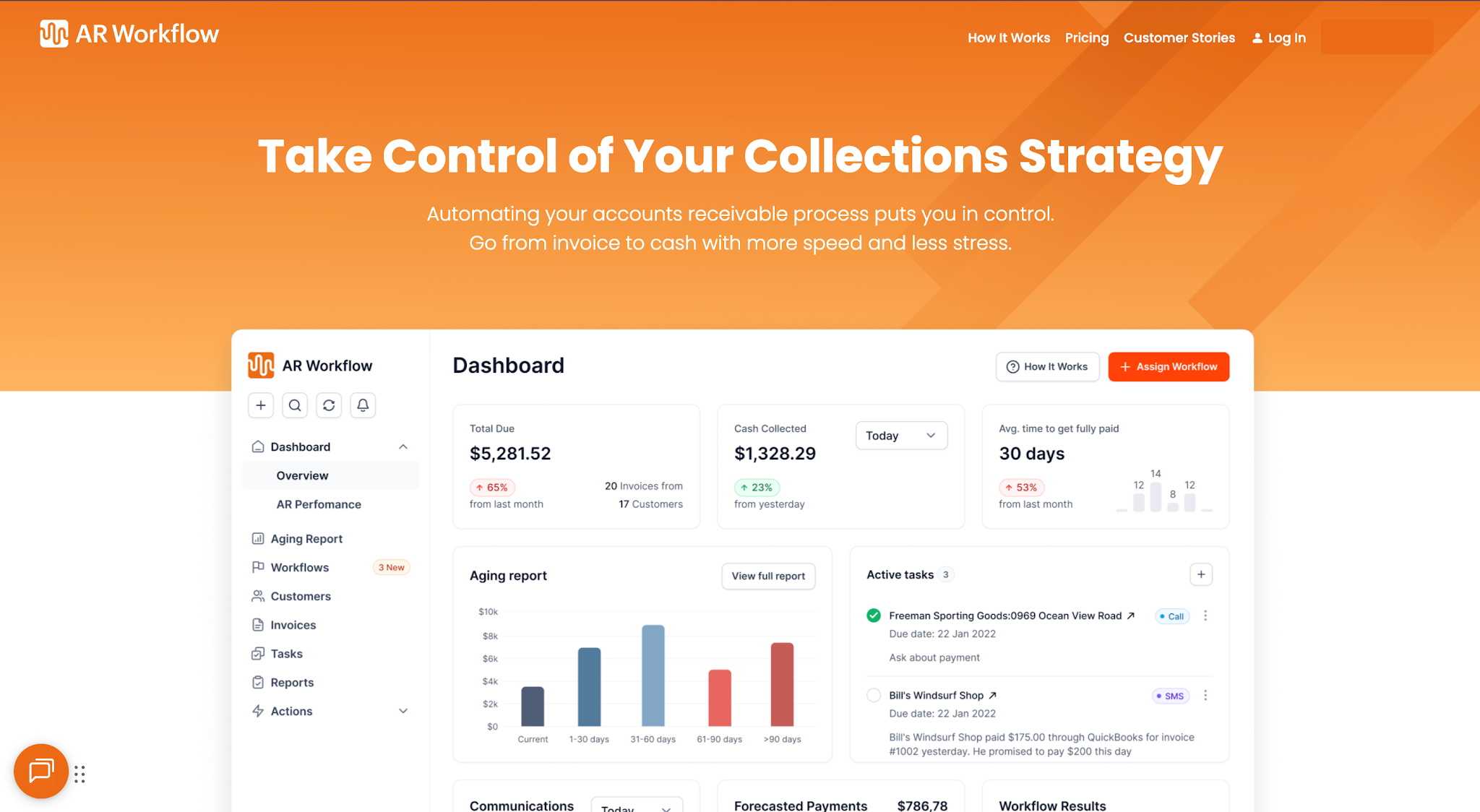
So when an account does need someone to step in, your team has the collection history and account information they need to decide what to do next.
2. In-House Collections
In-house collections keep the collection process within your team.
That can work well when your team has enough time to review outstanding accounts, contact customers, document conversations, and follow up when promised payments don't arrive.
Keeping the work internal also means your team already understands the job and the customer relationship. If a homeowner has a question about the invoice or an insurance-related issue is holding things up, an employee familiar with the account may be able to investigate it directly.
The challenge usually appears as invoice volume grows.
Manual collection calls, emails, and account tracking can take up more employee time as the number of outstanding balances increases.
At that point, the question isn't necessarily whether in-house collections work. It's whether your current process can keep up without overdue accounts receiving inconsistent attention.
3. Third-Party Debt Collection Agency
A third-party debt collection agency provides recovery services for accounts you decide to send outside your business.
This approach is generally more relevant once an account has reached the point where normal internal collection attempts are no longer producing progress.
Before turning an account over to an agency, make sure it handles the type of debt you're trying to collect. For example, an agency that handles commercial collections may focus on debts owed by businesses, while consumer debt collection involves debts owed by individual consumers.
That distinction is important because different rules can apply. Consumer debt collection is subject to federal requirements governing fair debt collection practices, including how debt collectors communicate with consumers. State laws can add further compliance requirements.
You should also understand how the agency charges, what client services it provides, and how it will communicate with the debtor once it takes over the account.
If you're considering commercial debt collectors for business accounts, check whether they have a proven track record or collections experience with similar client debt history and how they've represented those companies throughout their recovery process.
4. Collections Attorneys
Sometimes an overdue account becomes a legal issue rather than a routine collection problem. In these cases, you'll probably need the help of a collections attorney.
A collections attorney assists a business in understanding its legal options and whether pursuing the debt through legal channels makes sense. This may become relevant with substantial balances, complicated disputes, or accounts where other debt recovery attempts have failed.
Legal action also comes with costs and practical considerations of its own.
Before moving in that direction, make sure your records are organized. The account history should show the amount owed, relevant agreements and invoices, previous communications, and what your company has already done to resolve the balance.
An attorney can then review the specific circumstances and advise you on available options under applicable law.
This isn't a step every delinquent account needs to reach. But it's one possible escalation path should the amount or circumstances justify getting legal guidance.
How to Choose the Right Debt Collection Approach
Choosing an approach starts with the account itself.
First, look at how overdue it is and what you already know about the reason for nonpayment. An account that's ten days late and waiting on a known issue shouldn't automatically receive the same treatment as one that's been unresolved for months.
Then consider whether your current team can manage the required follow-up.
If the main problem is that employees are manually tracking too many outstanding accounts, you may not need to outsource collections. A more structured internal process with automation may give the team the support it needs.
If a business account has stopped responding to normal collection efforts, commercial debt collections may be the next option to consider. A serious dispute or potential legal action creates a different decision again.
The point isn't to move every overdue invoice toward the most aggressive option. It's to match the response to what is actually happening with the account.
Where AR Workflow Comes In
AR Workflow makes sense when you want to keep debt collections in-house, but manually keeping up with every outstanding account is becoming difficult.
Its platform gives your team a more structured system for managing that work. You can create collection workflows that automatically send email and SMS follow-ups, while keeping communication history and payment activity connected to each account.
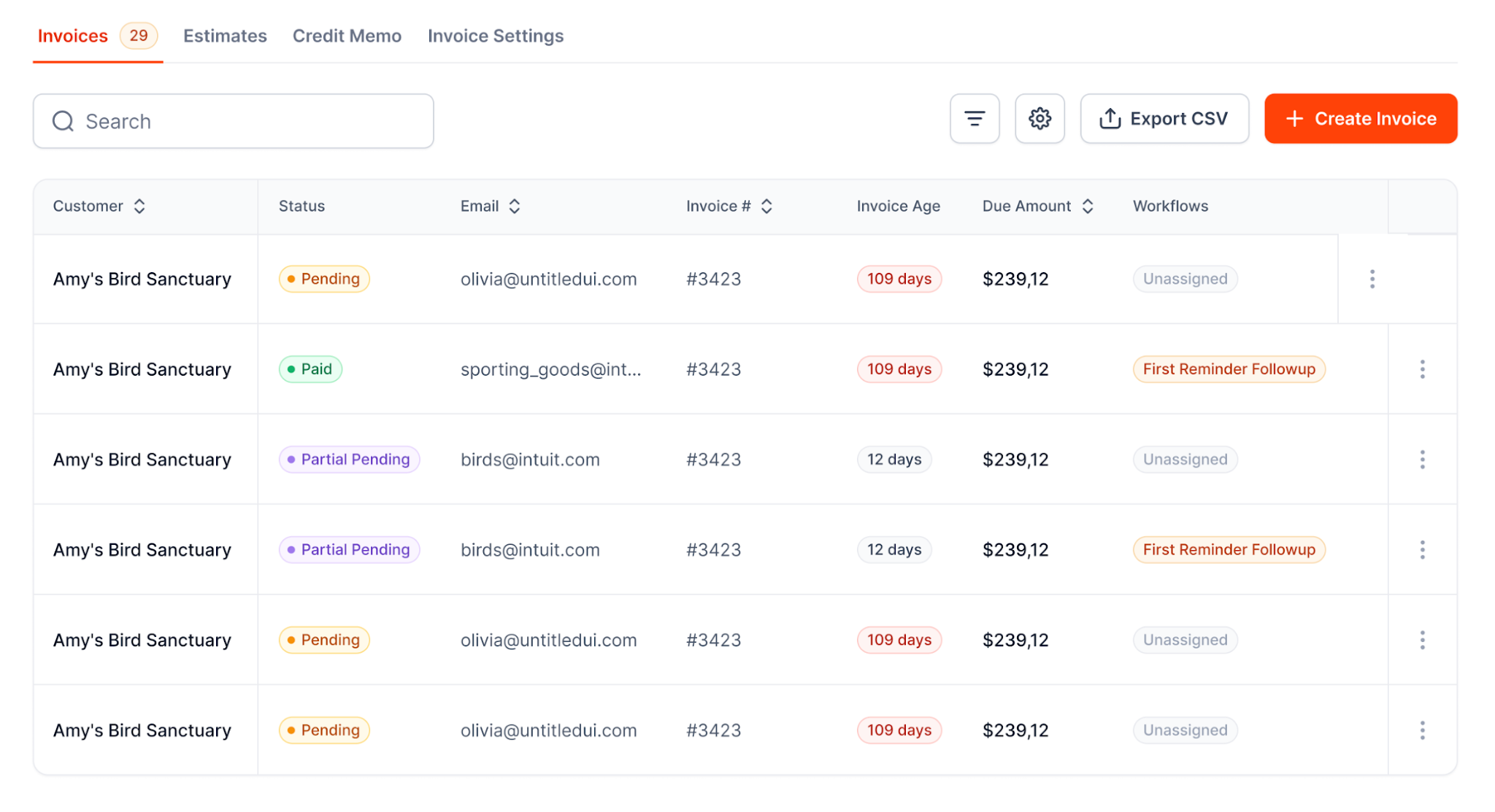
That way, your team can see which accounts are already being followed up on and which ones need someone to step in. You'll still have control over the collection process; the only difference is that your team won't have to manually manage every routine follow-up along the way.
Build a Better Collections Process With AR Workflow
Debt collection can be challenging because there isn't one approach that works for every overdue account. How you handle it depends on why the invoice hasn't been paid and how far your own collection efforts have already gone.
If keeping up with unpaid invoices is your bigger problem, investing in automated debt collection solutions like AR Workflow is an ideal option for you.
AR Workflow lets you automate routine email and SMS follow-ups while keeping your outstanding invoices and collection activity organized in one place.
Automation is only one way to manage debt collections, but it keeps unpaid invoices from getting lost in the day-to-day work of running your business.
In the end, the sooner you stay on top of what you're owed, the less time unpaid invoices have to sit there and put pressure on your cash flow.
FAQs About Restoration Company Debt Collections
What is the 7-7-7 rule for debt collectors?
The 7-7-7 rule means a debt collector generally shouldn't call someone more than seven times within seven days about the same debt or call again within seven days after speaking with them by phone about that debt.
What happens if you never pay back collections?
If you don't pay back collections, the creditor or collection agency may continue trying to recover the debt. Depending on the situation, they may also take further action, such as filing a lawsuit to collect what you owe.
Can a credit repair company remove collections?
A credit repair company cannot remove accurate collection information simply because it negatively affects someone's credit. It can, however, help dispute information that is incorrect or cannot be verified.
Can you dispute a debt if it was sold to a collection agency?
Yes. Selling a debt to a collection agency doesn't take away the consumer's right to dispute it. If the amount is wrong or the person doesn't believe they owe the debt, they can ask the collector to verify it.