Customer financing for contractors, plus ACH, card and online pay: compare restoration payment options, offer financing in 5 steps, and get paid sooner.


Take a deep breath and ask yourself something: when was the last time you really stopped and evaluated how your business handles restoration payments? Most contractors still lean on checks, chase homeowners for deductibles and never mention customer financing, even though offering it is one of the simplest ways to get a big job approved and paid. Customer financing for contractors, ACH, card and online payment are now the baseline.
If you are like many in the restoration industry, you have probably been doing the same thing for years. It worked then, and years later you are still using it. But the world has changed, and fast. Have you?
From our decades of consulting, we have seen the way restoration industry leaders handle payments evolve. If you have not updated your restoration payment options in the last few years, you may be on the edge of falling behind. This guide walks through each option, how to offer financing step by step, and how to pick the right mix for each type of customer.
KEY TAKEAWAYS

Tip: It is not the biggest or strongest businesses that survive and thrive. It is the ones led by people who adapt, evolve and adjust to meet changing times.
The future of payments in the restoration industry is already here, and it is more efficient than anything we have seen before. If you want to stay competitive, improve your cash flow, and give customers an experience they will rave about, it is time to embrace the shift. Below we cover the digital payment revolution, customer and business financing, how insurance companies are changing, and staying ahead of regulations and security.
| 1 | Digital payments: EFT and ACH, mobile and online payments, payment gateways |
| 2 | Third-party financing: customer financing and business financing |
| 3 | Insurance company changes: documentation and direct-to-contractor payments |
| 4 | Regulations and data security |
Before going deeper, here is how the main contractor payment methods stack up. Costs depend on your processor and contract, so treat the cost column as relative, not a quote.
| Method | Speed to your bank | Relative cost to you | Best for |
|---|---|---|---|
| Paper check | Slowest: mail time plus deposit hold | Low fees, high handling time | Insurance checks you cannot avoid |
| ACH / EFT | Typically one to two business days | Lowest electronic option | Larger balances, property managers, commercial |
| Credit or debit card | Fast, usually within a few days | Highest: a percentage of each charge | Deductibles and smaller balances |
| Mobile wallet | Fast | Similar to card | Homeowners paying on a phone |
| Customer financing | Lender funds you after approval and job sign-off | Merchant fee set by the lender | Large, uninsured or out-of-pocket work |
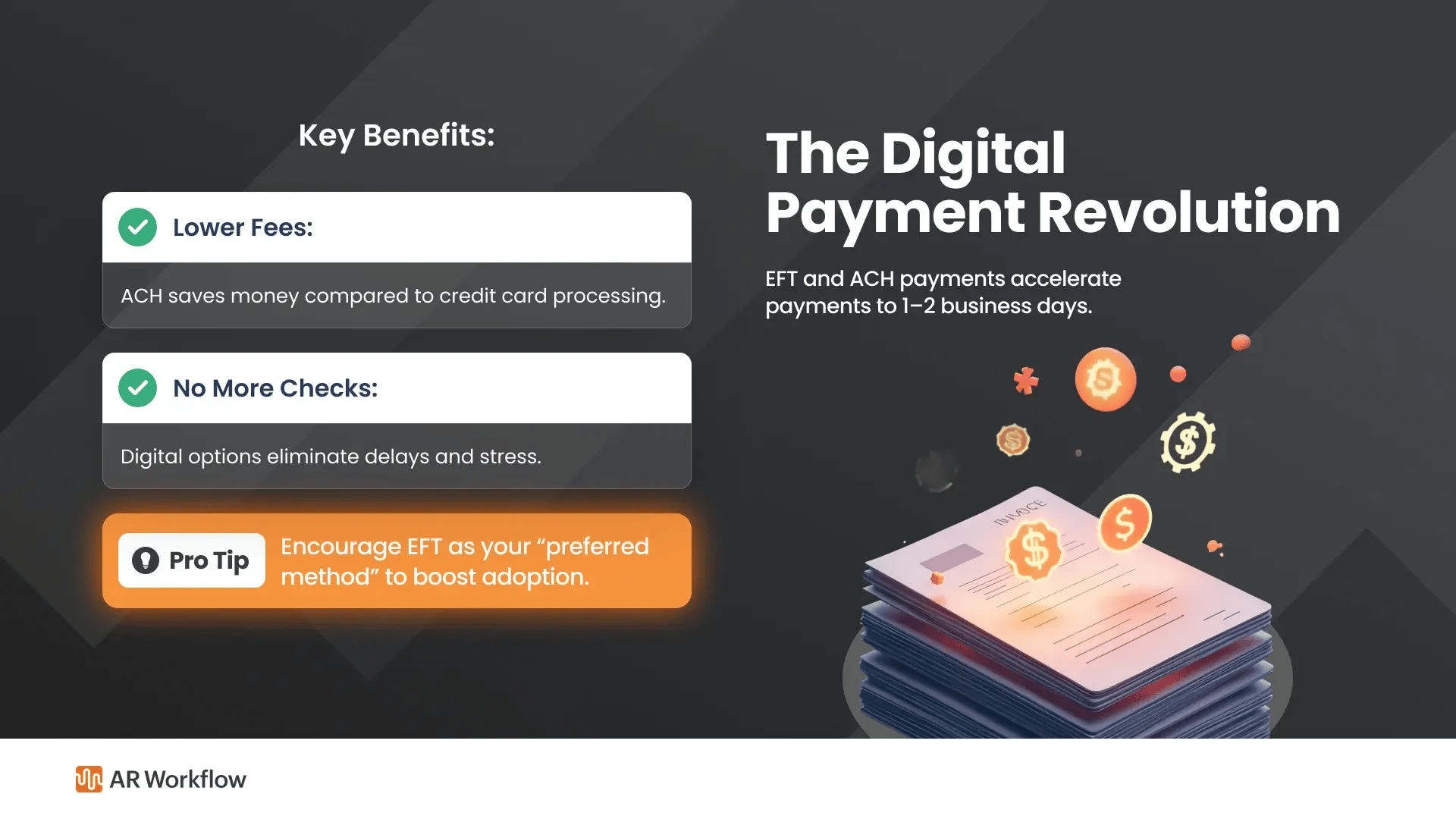
Checks are becoming relics of the past. Many of our customers see them as too slow, too complicated and not readily available. (Is there "immediate delivery" for checks? Nope.)
We live in an age where people want things now. If you want to thrive, embrace the digital payment revolution. Here is how, with EFT and ACH payments, mobile and online payments, and payment gateways.
To speed up payments in a way customers trust, offer Electronic Funds Transfer (EFT) and Automated Clearing House (ACH) payments. Get paid within days instead of waiting weeks or months for a check to clear.
Embracing EFT and ACH means you free up time, increase liquidity and make financial decisions with confidence. If you are serious about growing your business, start here. Our guide to the ACH payment method walks through setup in plain steps.

Customers expect things to be fast, easy and frictionless. Offering mobile payment options makes life easier for them and sets you apart from the competition.
Embrace mobile and online payments to create a seamless experience for your customers, get paid faster and improve cash flow. Pair them with payment reminder software so every reminder carries a way to pay.
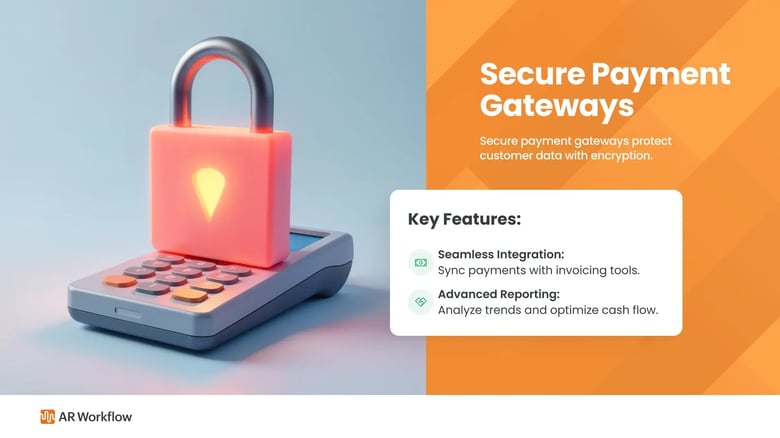
If you are not using a payment gateway, you are leaving money and security on the table. Gateways let you accept a wide range of digital payments securely through your website or a third-party platform, making your payment process faster, easier and safer.
When you compare credit card processing for contractors, look past the headline rate. Ask about monthly fees, ACH pricing, chargeback fees and how fast funds settle, then route large balances toward ACH.

Restoration projects can be expensive, and not every customer has the cash to pay up front. Insurance may cover the loss, but the homeowner still owes the deductible, any upgrades they choose and any damage the policy excludes. Customer financing for contractors gives them a simple way to pay for that work over time, while a lender pays you. Not sure if a lender or your own plan fits better? Compare financing vs payment plans.
Tip: If you advertise financing terms such as a monthly payment or interest rate, the federal Truth in Lending Act and Regulation Z (12 CFR 1026.24) can require additional disclosures. Many contractors simply say "financing available" and let the lender provide the terms. State rules vary by state, so check with your lender or attorney.
| Pros | Cons |
|---|---|
| More customers can say yes to large jobs | Merchant fees reduce your margin on each funded job |
| The lender pays you, so you are not carrying the balance | Not every customer is approved |
| Fewer homeowner balances left to chase after the job | Funding usually waits for completion sign-off |
| A clear answer to "we can't afford that right now" | Advertising terms brings disclosure rules into play |
For contractors, cash flow is king, and waiting on payments can cause financial strain. Business financing can bridge the gap.
Invoice factoring for contractors comes in two main types. With recourse factoring, you buy back any invoice the customer does not pay; with non-recourse factoring, the factor takes more of that risk and usually charges more for it. Many factors also contact your customer directly to collect, so ask how they communicate before you sign.

A variety of third-party financing services exists. As always, use them in moderation and keep an eye on your larger business goals. Used well, they can transform your payment landscape and shift some of the stress and responsibility elsewhere. Before you finance a slow receivable, make sure your own follow-up is working; automated collections often shorten the wait more cheaply than a factor.
Bring one overdue invoice.
We'll show you how reminders and online payment would work on that exact invoice.

In the restoration industry, insurance companies are a major part of how you get paid, and their processes are changing too. If you do not keep up, you will struggle to collect while competitors get ahead.
Insurance companies are scrutinizing claims more closely than ever. They want detailed, accurate documentation before releasing payments. If you are not prepared, you get caught in a cycle of delays. Check and level up these areas:
For more on the adjuster side, see how to speed up insurance adjuster payments and our restoration insurance billing guide.
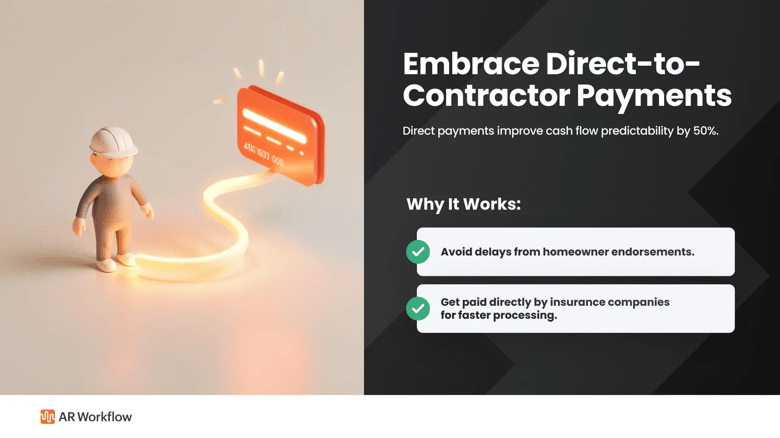
One of the most exciting shifts in the restoration industry is the rise of direct-to-contractor payments. Insurance companies pay contractors like you directly, rather than issuing checks to homeowners who then pass them along.
This process has its challenges, like committing to flawless documentation, but the benefits far outweigh the hurdles. Read The Power of Bulletproof Documentation to level up your documentation for faster payments. When a mortgage company is still on the check, our guide to mortgage companies holding the insurance check explains what to do.
One rule holds across every insurance job: online payment links are for the homeowner's share, such as the deductible. The adjuster and carrier get documentation and status updates, never a payment link.
You do not need every payment method on every job. Match the options to who is paying:

As the payment landscape evolves, so do the regulations that govern restoration businesses. Staying compliant is critical to protecting your business and avoiding legal battles. Watch for new regulations and notices from your industry trade groups, mentors and the organizations you are connected to.
Data security is more important than ever too. Your payment processes need to be secure and compliant with industry standards like PCI-DSS (Payment Card Industry Data Security Standard), which applies to any small business that accepts cards.


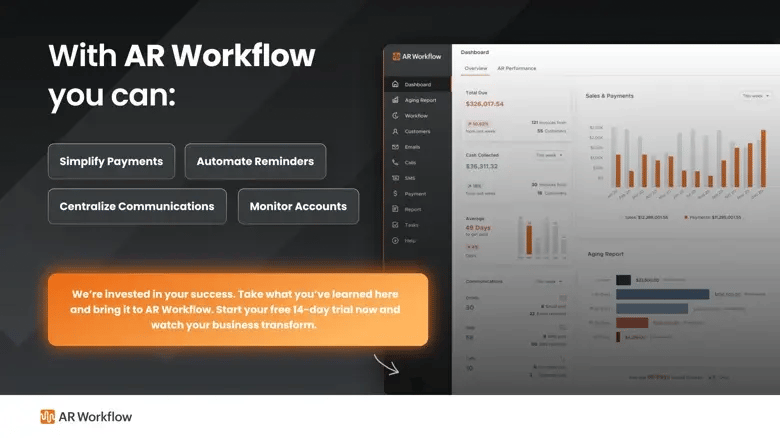
AR Workflow is the automated accounts receivable platform we designed to help restoration professionals stay current, organized and streamlined in their AR collections and financial practices as a whole. As the industry keeps evolving, you deserve workflow software that adapts with you. Here are the features that help you unlock the future of payments.

Customers open the invoice and pay online.

Workflows decide when each reminder goes out.
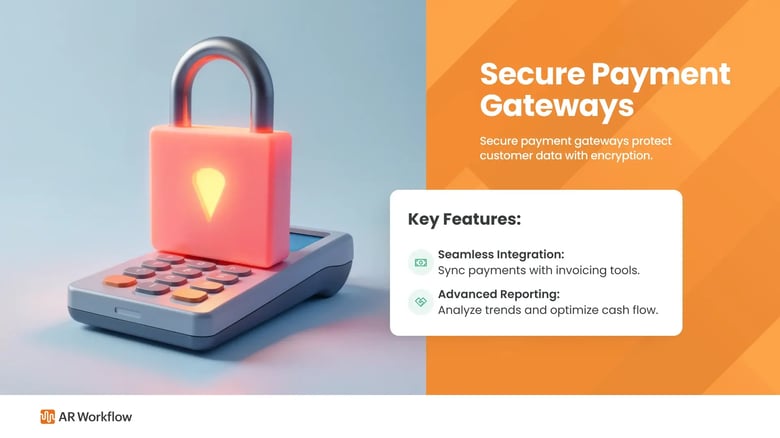
Bringing AR Workflow into your accounts receivable process moves your collections into the future and helps protect your business against data breaches and non-compliance.
At minimum, ACH or EFT and card, plus an online way to pay from the invoice. Many contractors also accept mobile options and offer customer financing for larger out-of-pocket work. The best contractor payment methods are the ones your customers can use in a few clicks, so name ACH as your preferred method to keep fees down.
Most contractors sign up with a home improvement lender or financing platform, which gives them an application link or app to share at the estimate. The customer applies directly with the lender, and the lender pays the contractor, usually after the customer signs off on the completed work. The contractor typically pays a merchant fee on each funded loan.
Generally, yes. ACH carries significantly lower fees than credit card processing, and funds typically arrive in one to two business days. That makes ACH the better default for large balances, while cards work well for deductibles and smaller amounts.
The insurance company pays the contractor directly instead of issuing a check to the homeowner, who would then have to endorse and forward it. It removes a waiting step but depends on flawless documentation.
If you accept card payments, the PCI Security Standards Council's PCI-DSS applies to how cardholder data is handled. Using a compliant payment processor or platform, encrypting payment data and auditing regularly are the practical basics.
Sometimes. Card networks such as Visa and Mastercard set their own surcharge rules, including advance notice and caps, and some states restrict or prohibit surcharging. Rules vary by state, so check with your processor and your state's law before adding one, or simply steer customers to ACH.
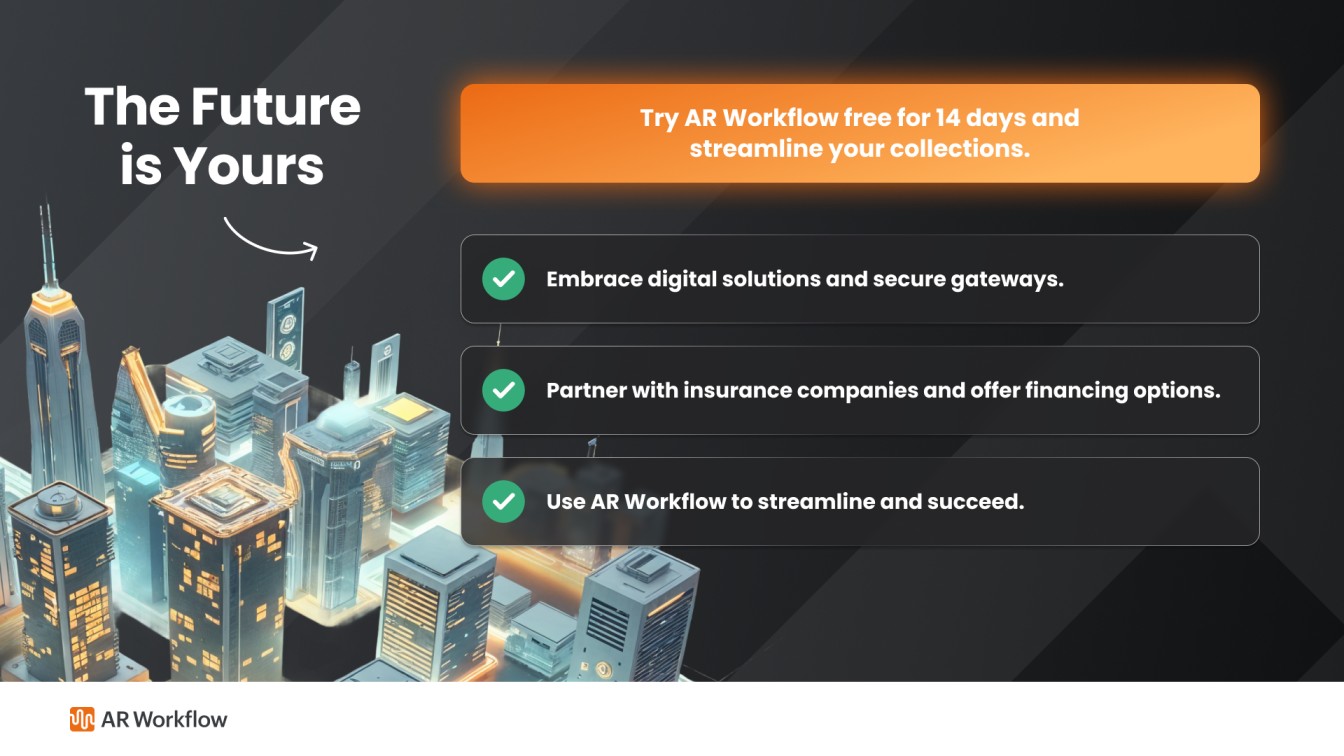
The world is changing, and the way payments are handled in the restoration industry is evolving faster than ever. You have a choice: adapt, thrive and take your business to new heights, or resist and get left behind.
If you embrace these changes and take action today, you can transform your business, improve your cash flow and build a competitive edge. Payment methods, financing, insurance practices and regulations may be shaping the future, but that does not mean you have to be at their mercy. By understanding the changes, building strong relationships, streamlining your operations and managing your cash flow, you take back control of your payments and your restoration business.
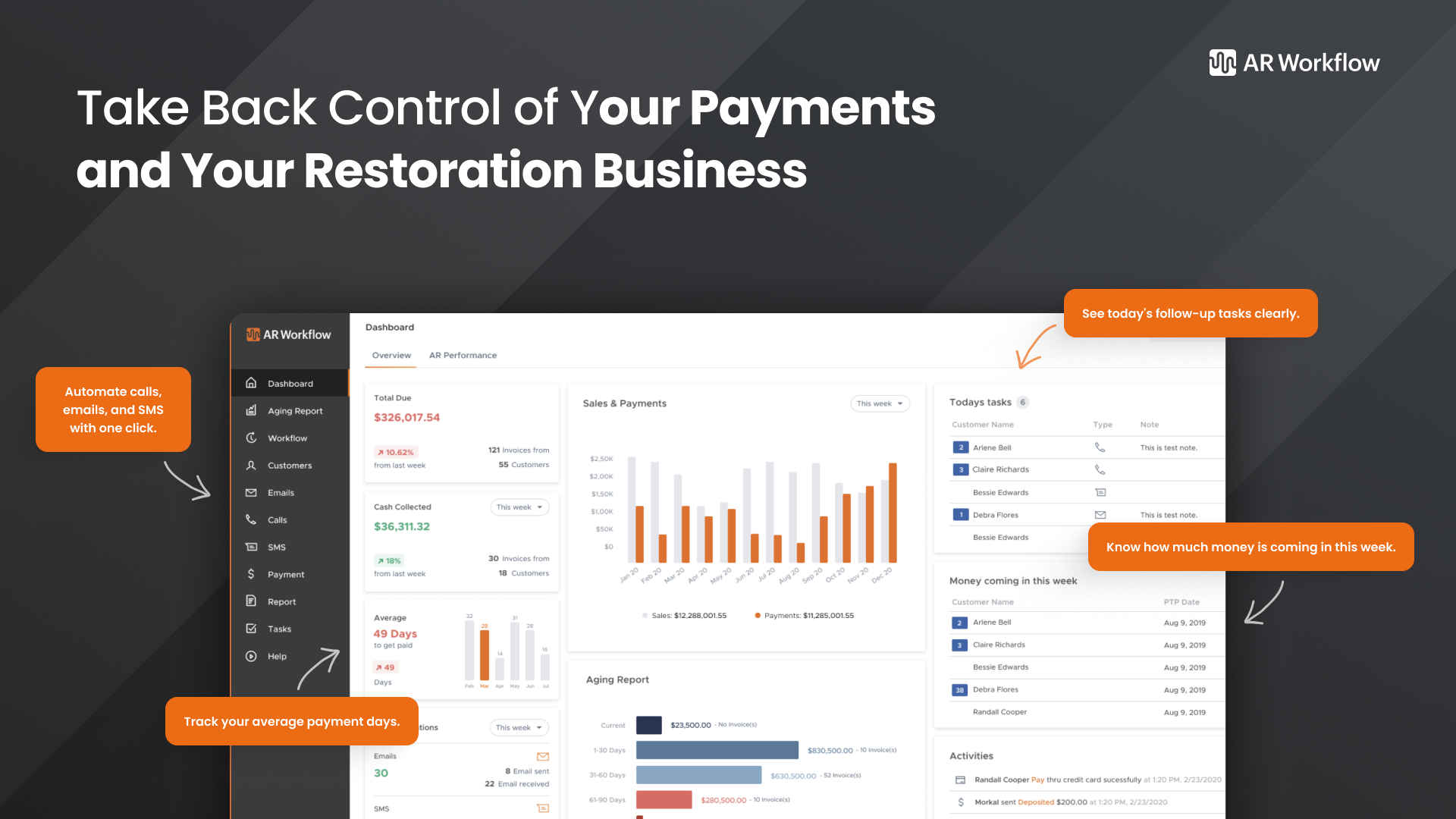
This is your business. Rise above the challenges, take control of the process and make room to grow.
Related reading
Your invoice, not a feature tour.
Bring one overdue invoice to a demo and see what AR Workflow would send, when, and how your customer would pay.
Sam owned and ran three restoration companies for more than 14 years and collected over $100 million in receivables. He built AR Workflow in 2020 to give contractors the collections system he wished he'd had.

AI writes the emails, sends the texts, and leaves the voicemails. Your team handles the conversations that matter, and your cash keeps moving.
 Keep QuickBooksStart with one invoiceStay in control

 Log in