Restoration jobs can continue taking up your team's time even after the work at the property is finished. There may still be work documentation to organize, claims to submit, questions from insurance adjusters to answer, and payments to follow up on before the company actually gets paid.
As the number of insurance-related jobs grows, keeping up with all of that work can put more pressure on the people handling billing in the office. At that point, you may start wondering whether your team should continue managing everything internally or get outside help.
Restoration billing services for claims are one option. Before deciding whether they make sense for your company, though, it helps to understand what these services actually take off your team's plate and how far their role extends.
TL;DR
- Restoration billing services for claims can help contractors manage insurance billing work when preparing claims and keeping up with claim-related tasks takes too much time internally.
- Contractors can keep claims billing in-house or outsource it depending on whether the main issue is limited capacity or a lack of claims-billing expertise.
- Before choosing a provider, contractors should compare its restoration experience, scope of services, pricing, and how much visibility they'll retain into their claims.
- Getting a claim billed is only one part of getting paid. After billing, the company still needs to track the invoice and follow up as needed until it receives payment.
- AR Workflow helps restoration companies manage that next stage by keeping outstanding invoices visible and collection follow-ups moving without adding more manual work to the team.
Understanding Restoration Billing Services for Claims
Restoration billing services help contractors manage the administrative work involved in billing insurance-related restoration jobs. Exactly how much of that process they take over depends on the provider.
A service may start by turning the contractor's scope and job documentation into a detailed estimate or invoice. From there, the provider may organize the supporting records and submit the billing package to the insurance company.
Many full-service providers continue working on the claim after submission. Their work may include responding back and forth with insurance adjusters, preparing supplements, tracking the claim's progress, or following up on payment.
So, restoration insurance billing can mean more than having someone prepare an invoice. Before hiring a provider, contractors need to know exactly which parts of their current process they want someone else to handle.
In-House vs. Outsourced Claims Billing
Restoration contractors can keep claims billing inside the company or outsource some or all of the work to a specialized service.
Keeping it in-house gives the company direct control over the process. It can work well when the team already has the time and restoration billing expertise needed to prepare claims and communicate with insurers.
But the equation can change as job volume grows. More insurance-related restoration jobs can mean more documentation to organize and more claims that need attention after submission. The company then has to decide whether it wants to build more billing capacity internally.
Outsourcing shifts agreed-upon parts of that workload to an outside billing team. Depending on the service, that could mean sending out only estimates or having the provider manage much more of the claim.
The choice isn't simply whether outsourcing is better than keeping billing in-house. Contractors should look at why their current process is becoming difficult to manage and where billing performance is starting to suffer.
If the team lacks claims-billing expertise, specialized outside help may address that gap. If the team understands billing but cannot keep up with volume, the decision becomes more about capacity and efficiency.
Restoration Billing Service Pricing and Fees
The cost of restoration billing services depends largely on how much of the claims billing process the provider handles for you.
A contractor that only needs help writing an estimate may pay differently from one that wants a provider to manage the claim after submission. That broader service could continue through adjuster communication, revisions, and payment follow-up.
Providers also use different pricing models. Some charge based on the amount collected, while others may charge for individual services such as estimate writing.
Comparing two providers based on their percentage or quoted price alone won't tell you which one costs more for the help you actually need. That's why you first need to decide which parts of the billing process you want to outsource, then find out exactly what each provider includes in its fees.
How to Choose the Right Restoration Billing Service
Once you've decided that outsourcing makes sense, the next question is who should handle the work. Here are a few factors that'll help you decide on that.
Restoration and Insurance Claims Experience
Claims in the restoration industry come with specific billing requirements. A provider should understand the type of restoration work your company performs and how that work gets documented and billed.
Look at the types of claims the provider regularly handles. Mitigation contractors, for example, have different billing needs from companies doing reconstruction or handling large fire losses.
You should also check who will actually work on your claims. The goal is to determine whether you're paying for relevant claims-billing expertise or simply outsourcing administrative work.
Scope of Services
Don't assume that “full-service billing” means the same thing from every company.
Ask where the provider's work begins and where it ends. Do they prepare estimates? Will they compile the claim package? Who responds when an adjuster questions specific line items or charges? Does the provider continue to follow up after the bill has been submitted?
The answers help you understand the provider's coverage and which responsibilities will remain internal.
This is especially important if your company needs help with only one part of the process. Paying for broader claims management may make little sense when the actual bottleneck is estimate preparation.
Communication and Claim Visibility
Outsourcing work shouldn't leave your team wondering what is happening with a claim.
Ask how the provider records updates and how your team can check where each claim stands. You should also understand how often the service communicates with your company when something needs attention.
Think about what your office would need to know if one of your clients or the property owners you worked with called asking about a payment. If getting an answer requires waiting for an outside provider to respond, that may create a new administrative problem.
The goal is to reduce the work surrounding claims without losing sight of their progress.
Pricing and Service Terms
Once the scope is clear, review how the provider charges for it.
Ask what the quoted fee includes and whether separate charges apply to services outside the standard agreement. If pricing is percentage-based, confirm which amount the percentage applies to and when the fee becomes due.
Contract terms deserve the same attention. Check whether the service requires minimum volume, exclusivity, or a long-term commitment. Then compare the total arrangement with the time and overhead required to handle the same work internally.
That gives you a more meaningful basis for deciding whether the benefits of outsourcing make financial and operational sense for your company.
The Difference Between Claims Billing, Accounts Receivable, and Collections
These terms can overlap during the payment process, but they don't describe the same job.
Claims billing focuses on preparing and moving the bill or insurance claim through the billing process. That can include creating the invoice, organizing supporting documentation, submitting it, and dealing with questions or revisions related to the claim.
Accounts receivable (AR) refers to money the company has billed but has not collected yet. Once a restoration invoice remains unpaid, that amount becomes part of the company's outstanding AR.
Collections is the work involved in pursuing those outstanding balances until they are resolved. That includes keeping track of payment status and following up with the responsible payer when money remains due.
In practice, one leads into the next. Once the restoration work is complete, the claim needs to be billed. If that bill remains unpaid, the amount becomes part of the company's accounts receivable and needs to be tracked and followed up on until payment is collected.
The distinction helps identify which part of the payment process actually needs attention. If a contractor is struggling to prepare and submit claims, the problem sits on the billing side.
But if those claims have already been billed but the invoices are still unpaid, the problem is already in your accounts receivable and payment collections.
How to Build a Better Billing-to-Payment Process
Finishing the work doesn't mean you've recovered what you spent to complete it. Until the invoice gets paid, your business is still carrying the labor, equipment, materials, and other costs that went into the job.
Unfortunately, insurance payments can take weeks to arrive. J.D. Power's 2026 U.S. Property Claims Satisfaction Study found that homeowners received final property claim payments an average of 40.7 days after the claim process began, even though that was 3.4 days faster than the year before.
A wait like that can put even more pressure on your cash when you have several completed jobs waiting for payment at the same time. More of your cash stays tied up in unpaid work while you still need to make payroll and pay for the next jobs coming in.
Getting the claim billed won't lead to faster payments on its own. That's why you'll also need a process for keeping unpaid invoices visible and following up on them until you collect what you're owed.
Where AR Workflow Steps In
AR Workflow helps restoration companies manage that work in one place. Your team can create collection workflows for outstanding invoices and automate appropriate email or SMS reminders instead of handling every routine follow-up manually.
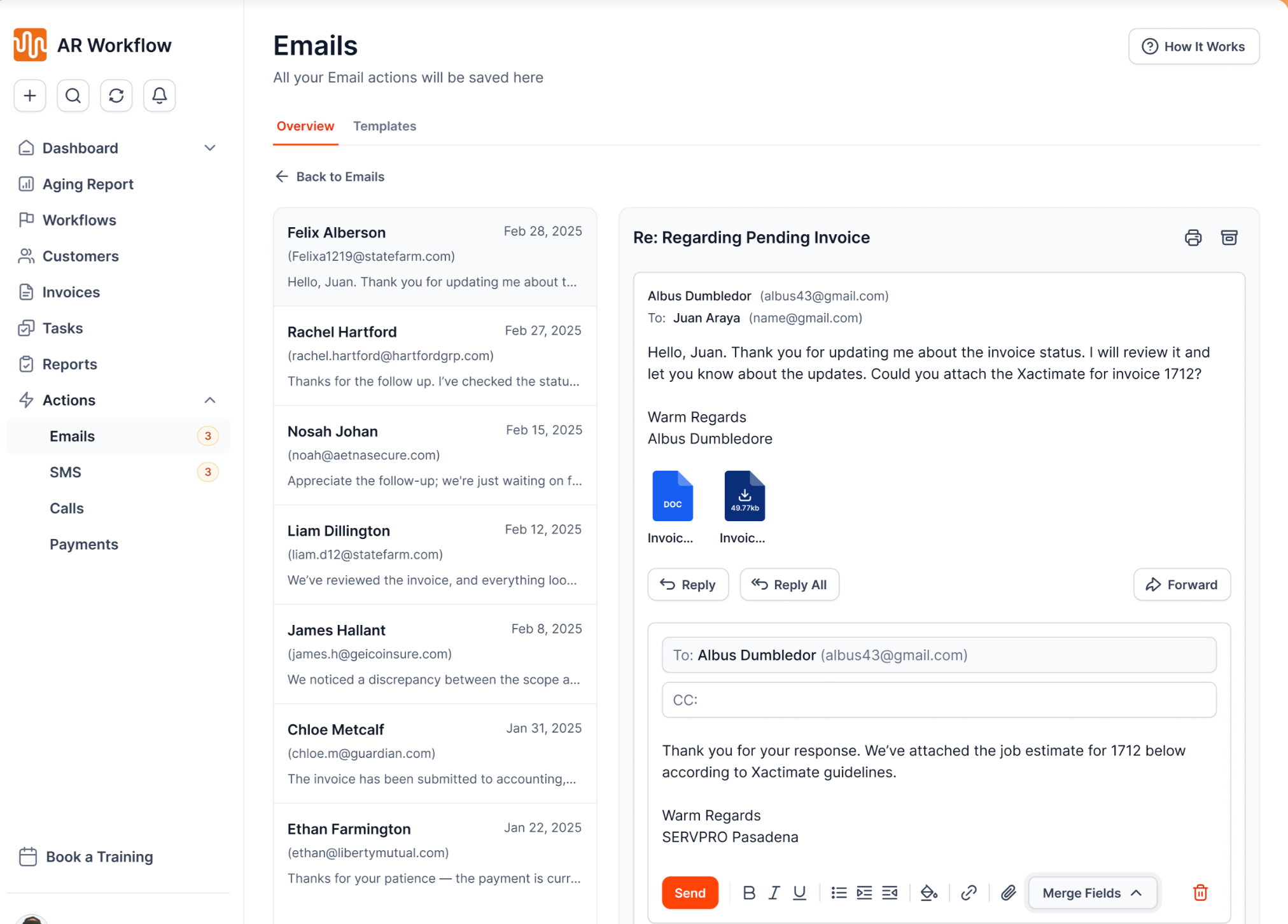
When an account does need personal attention, payment tracking and communication history give your team a clearer picture of what has already happened before they follow up again.
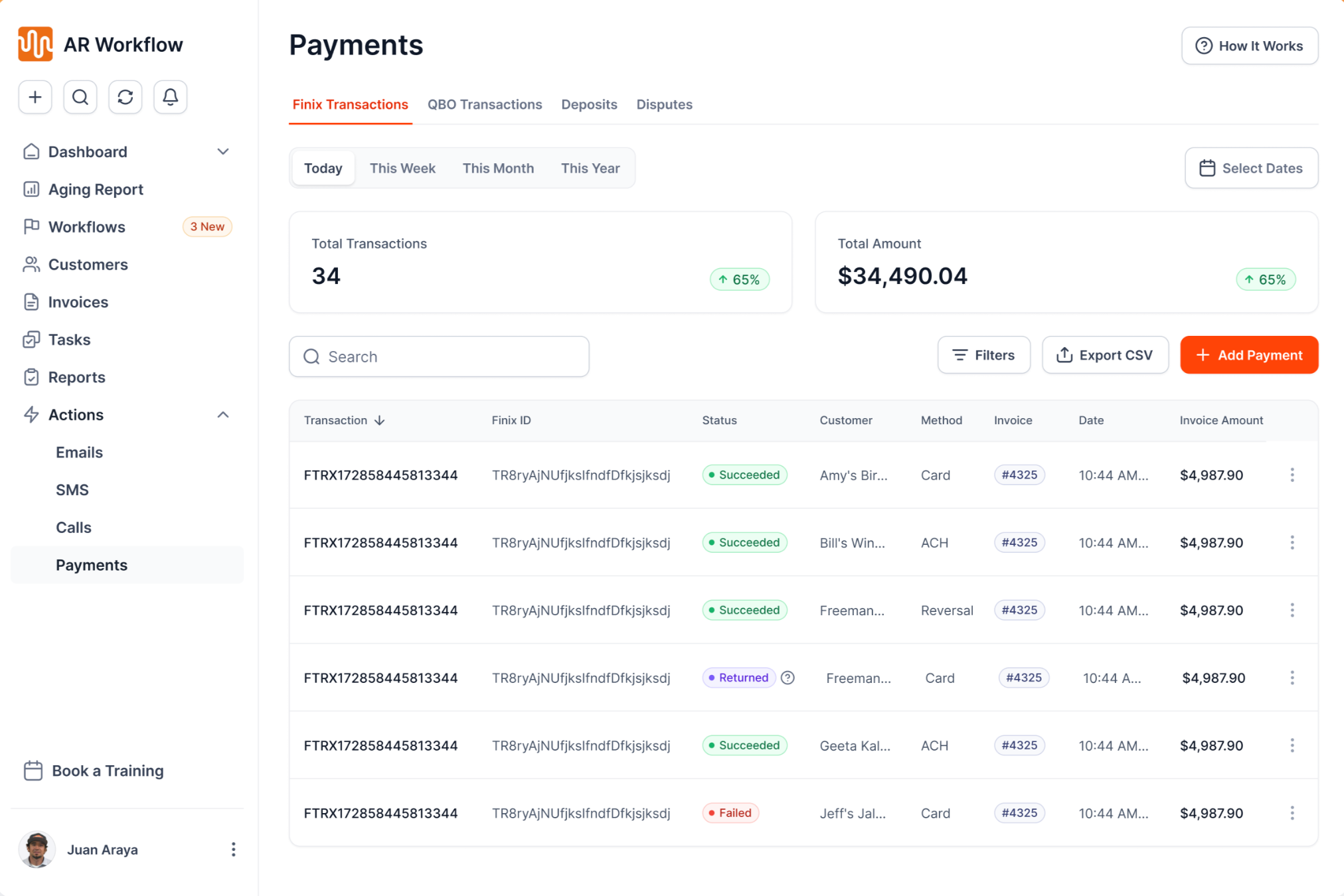
Owners and finance leaders can also see what remains outstanding without waiting for someone to pull together a manual update.
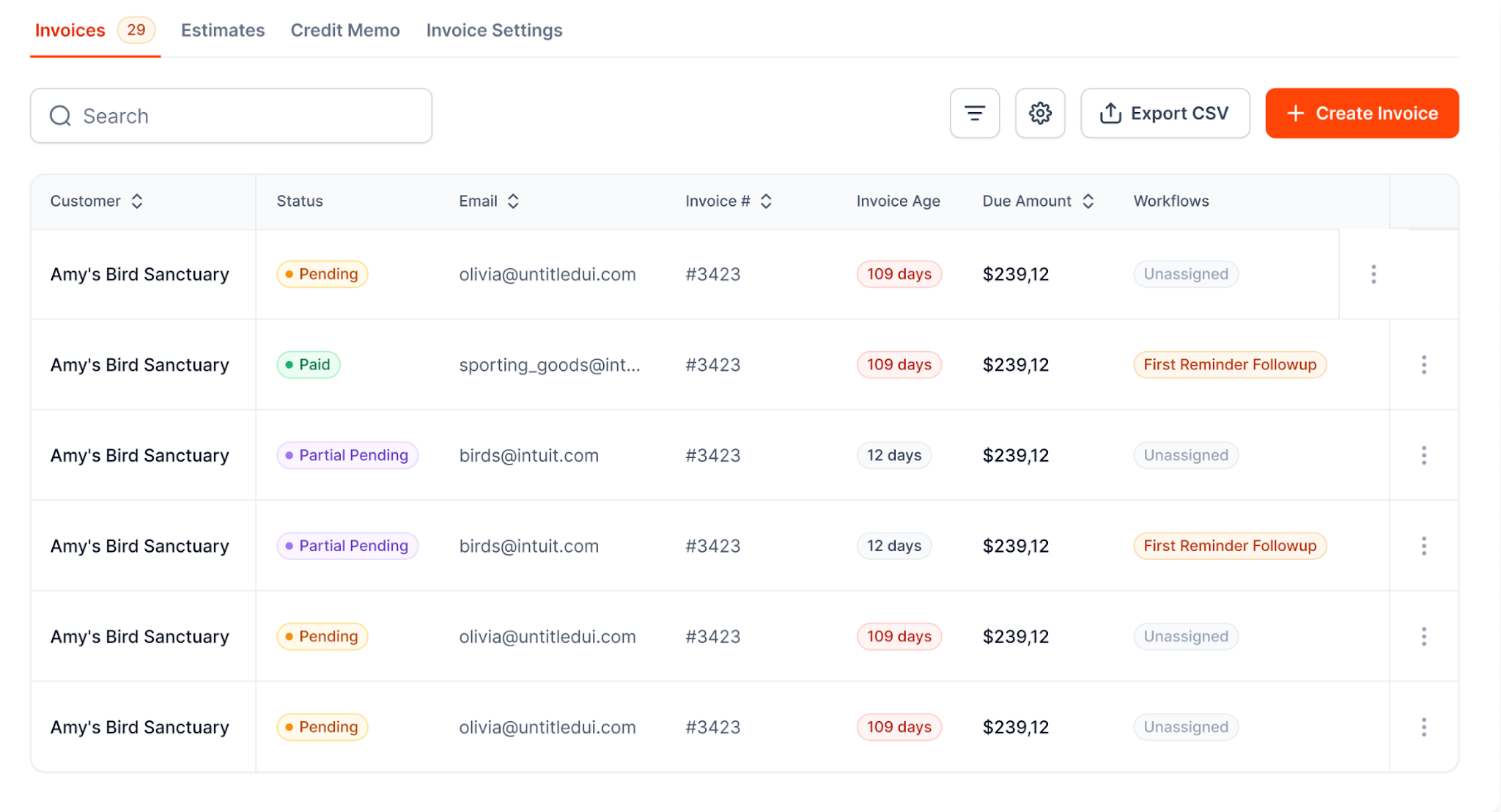
AR Workflow doesn't take over the claims-billing work discussed earlier in this guide. But it helps with the next part of the process: staying on top of unpaid invoices and collection activity until those balances are resolved.
Get Restoration Claims Paid Faster With AR Workflow
The right billing solution depends on what's keeping you from getting paid. If preparing and managing claims is taking too much time, a restoration billing service can take that work off your team.
If claims are already billed and you're still waiting on payment, your next priority is making sure those unpaid invoices don't lose attention.
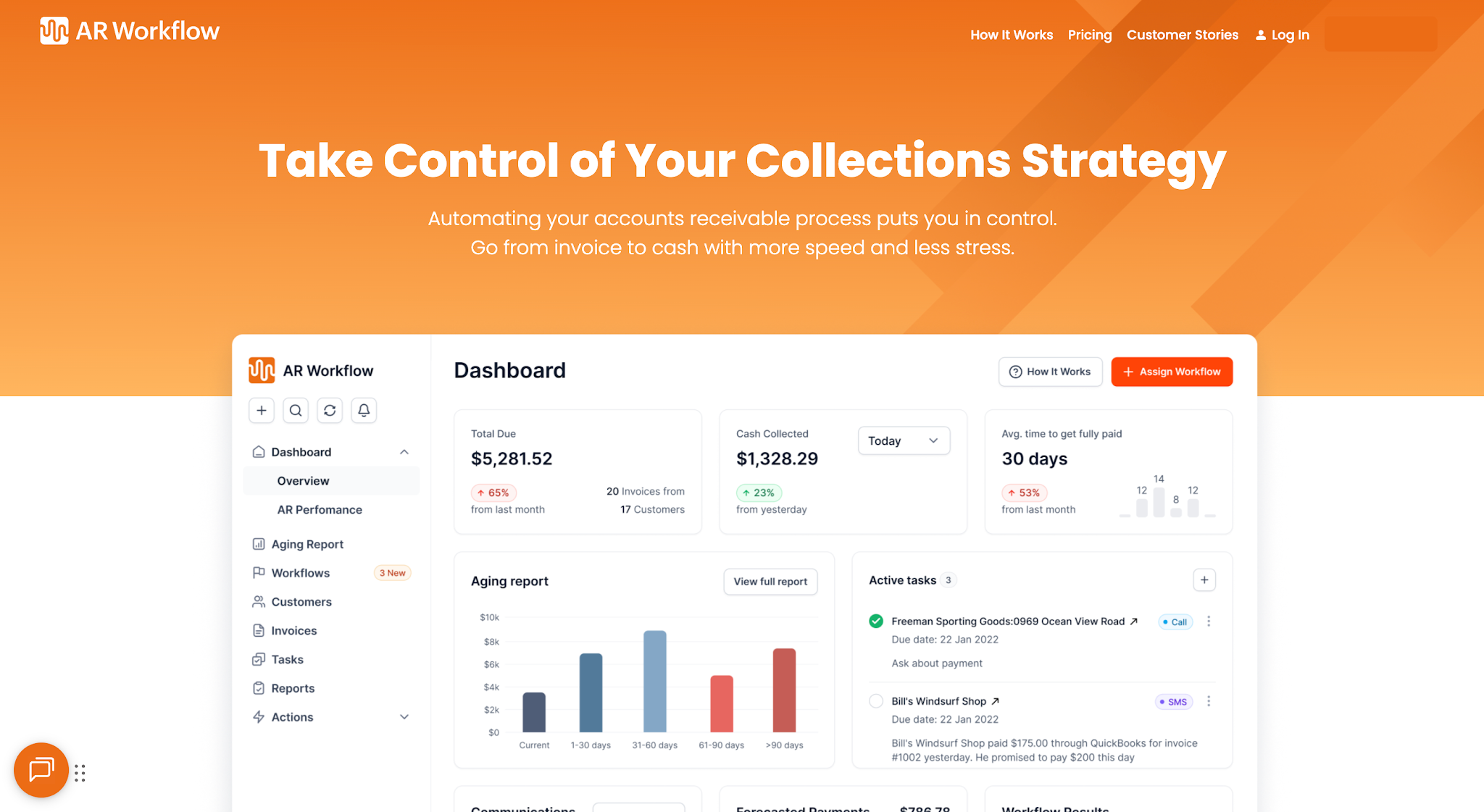
AR Workflow helps your team stay on top of them with a structured collections process built within a dashboard that has everything you need to keep follow-ups moving without adding more work for your team.
Because the goal isn't simply to get more claims billed, it's to get the money you've already earned back into your business sooner.
Book a demo with AR Workflow and experience firsthand what more you can do with the platform!
FAQs About Restoration Billing Services for Claims
How can restoration contractors get paid faster on insurance claims?
Submit complete claim documentation, respond quickly to questions, and consistently follow up on unpaid balances. These steps can prevent avoidable delays, although insurer processing times and disputes can still affect when payment arrives.
How does restoration insurance billing affect cash flow?
Restoration companies often pay job costs before receiving the final insurance payment. The longer an invoice remains unpaid, the harder it can be to maintain predictable cash flow for payroll, new jobs, and other expenses.
What should restoration contractors do when restoration invoices remain unpaid?
Find out why the invoice hasn't been paid and review any previous communication about it. Then set a clear next action and follow-up date so the invoice doesn't sit unnoticed as it ages.
How often should restoration contractors follow up on unpaid restoration invoices?
Follow-up timing depends on the payer, payment terms, and current claim status. Instead of relying on one schedule for every invoice, set a clear next follow-up based on what happened during the previous contact.
Who is responsible for collecting payment after restoration work is completed?
It depends on the company's process. An internal AR or billing employee may handle collections, while some restoration billing services include payment follow-up in their scope. The important part is making it clear who owns the unpaid balance after billing.