If you've been struggling with debt collection, chances are you've already started looking into different debt collection software platforms. But with so many options available, how do you know which one actually fits your business?
In this guide, we'll compare the six best debt collection software platforms for 2026 based on the industries they serve, including their features and pricing, to help you find the right solution for your business.
TL;DR
These are the six best debt collection software platforms, organized by their primary industry use case:
- AR Workflow — Best for disaster restoration companies.
- Handle — Best for construction credit management.
- PayProp — Best for property management.
- Paidnice — Best for automotive trade accounts.
- Chaser — Best for professional services.
- Thor — Best for wholesale and distribution.
How Debt Collection Software Differs by Industry
Businesses generally want the same outcome from debt collection software: improve cash collection without spending unnecessary time managing the process.
However, the work involved depends on who owes the money and what needs to happen before the business receives payment.
These differences matter when unpaid invoices turn into financial losses.
According to Bibby Financial Services' Q1 2026 SME Confidence Tracker, late payments disrupted salary payments for 42% of UK SMEs over the previous year.
Another 41% had to use emergency funds because customers hadn't paid on time, leaving them with less money for other business needs.
The report also found that 30% of SMEs experienced losses from unpaid invoices they could no longer recover, with that figure rising to 36% among manufacturing businesses.
While the report focuses on UK SMEs, it shows that collecting outstanding payments remains a challenge for businesses in different industries.
When payments don't come in on time, the consequences can go beyond an overdue invoice and affect a company's ability to cover everyday expenses.
6 Best Debt Collection Software Platforms by Industry in 2026
If your business faces similar challenges, choosing debt collection software that supports your industry's payment processes can help you manage collections more efficiently. Below are six platforms designed to address different collection needs.
|
Platform |
Overview |
Key Features |
Pricing |
|
AR Workflow |
Accounts receivable automation and payments platform for disaster restoration companies. |
|
|
|
Handle |
Construction credit and compliance management software for suppliers and equipment dealers. |
|
Pricing not publicly listed |
|
PayProp |
Rental payment processing and property management software. |
|
Pricing not publicly listed |
|
Paidnice |
Accounts receivable automation for businesses using Xero or QuickBooks. |
|
|
|
Chaser |
Receivables management and credit control platform for businesses, including professional services firms. |
|
|
|
Thor |
Trade credit and collections platform for wholesale distributors. |
|
Base subscription: $350/month |
1. AR Workflow — Best for Disaster Restoration Companies
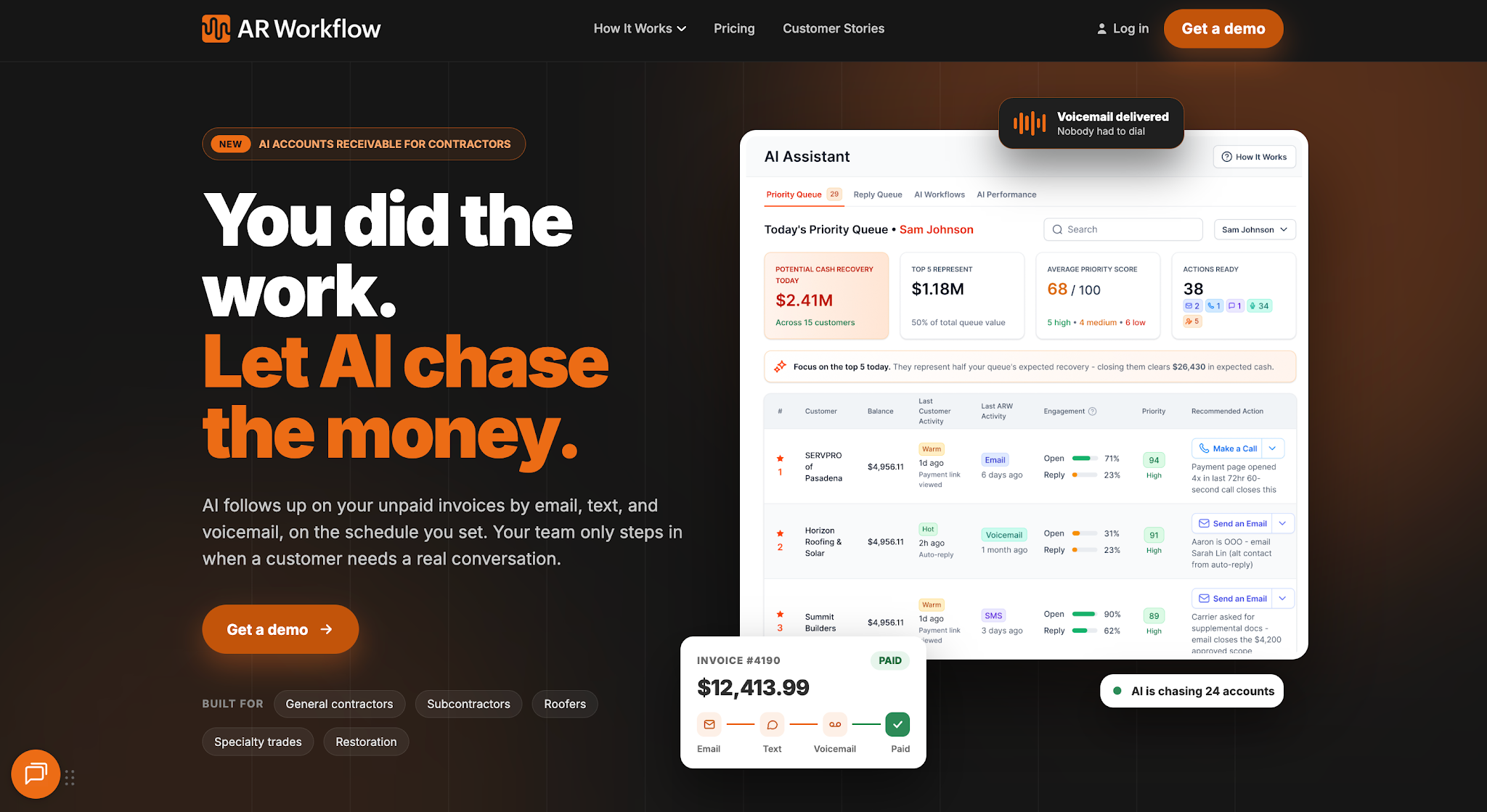
AR Workflow is an accounts receivable automation and payments platform built specifically for disaster restoration companies, including businesses specializing in water damage, fire and smoke restoration, and mold remediation.
The platform helps restoration contractors manage outstanding invoices and collect payments for completed restoration work.
It focuses on post-invoicing debt collection, helping businesses stay on top of unpaid balances and manage payment follow-ups through automated systems instead of relying heavily on manual processes.
Key Features
- Custom collection workflows — Allows teams to create follow-up schedules that match their existing collection strategies.
- Automated email and SMS reminders — Sends payment notifications and reminders according to the schedules the team configures.
- Accounts receivable reporting — Gives finance teams visibility into outstanding balances and invoice aging.
- Collection task management — Helps employees organize collection activities that require their attention.
- Online payment portal — Allows customers to pay outstanding invoices online through supported payment methods.
- QuickBooks payment recording — Records supported customer payments in QuickBooks.
Pricing
- Lite: $295/month — 50 open invoices and one included user.
- Grow: $395/month — 100 open invoices and 10 included users.
- Enterprise: $495/month — Unlimited open invoices and users.
2. Handle — Best for Construction Credit Management

Image source: handle.com
Handle provides construction-specific credit and compliance management software, primarily for material suppliers and equipment dealers.
Its main focus is helping construction credit teams protect payment rights and manage the documentation that accompanies construction payments.
Key Features
- Lien and notice management — Helps credit managers prepare and manage preliminary notices and lien filings.
- Deadline tracking — Provides built-in compliance features for monitoring state-specific notice and lien deadlines.
- Waiver and document management — Allows teams to request and exchange lien waivers digitally.
- Payment and waiver tracking — Connects payment activity with relevant waivers and project records.
- Construction payment portal — Allows contractors to review invoices and make payments through supported methods.
Pricing
Handle does not list prices publicly.
3. PayProp — Best for Property Management
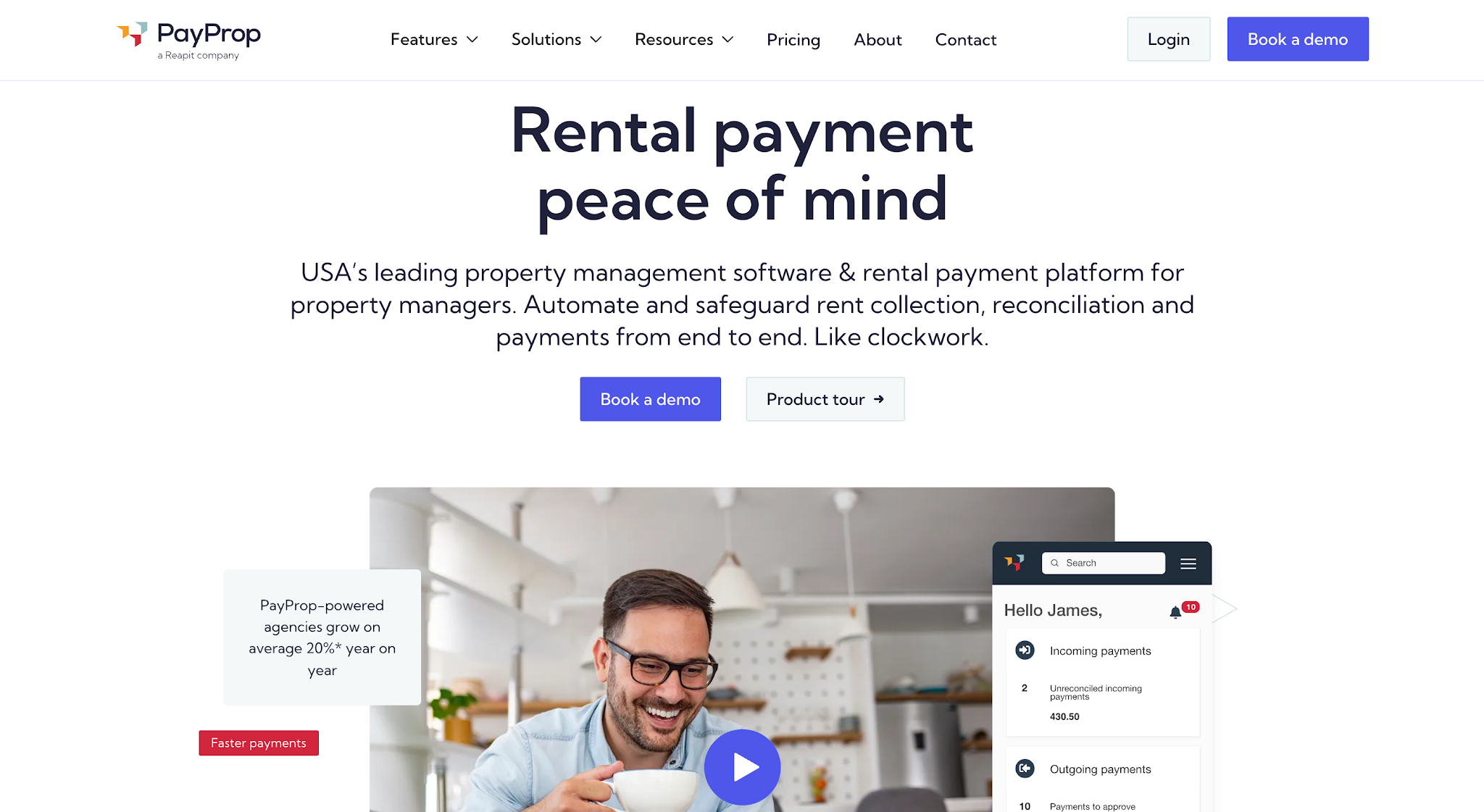
Image source: payprop.com
PayProp is a rental payment processing and property management software platform designed for residential property managers and letting agencies.
It helps property managers handle the financial side of managing rental properties, from collecting monthly rent to managing payments owed to property owners.
The platform also supports rent arrears management, allowing property managers to keep track of tenants who fall behind on their payments.
Key Features
- Arrears dashboard — Highlights tenants who miss their rental payments.
- Email and SMS reminders — Allows property managers to contact tenants about outstanding rent.
- Arrears reporting — Tracks tenant payment data and overdue rent trends.
- Automated late fees — Supports late-fee billing for overdue rental payments.
- Rent arrears letters — Generates letters that property managers can send to tenants with outstanding balances.
- Tenant payment options — Supports online rent payments and bank transfers.
Pricing
Payprop does not list prices publicly.
4. Paidnice — Best for Automotive Trade Accounts
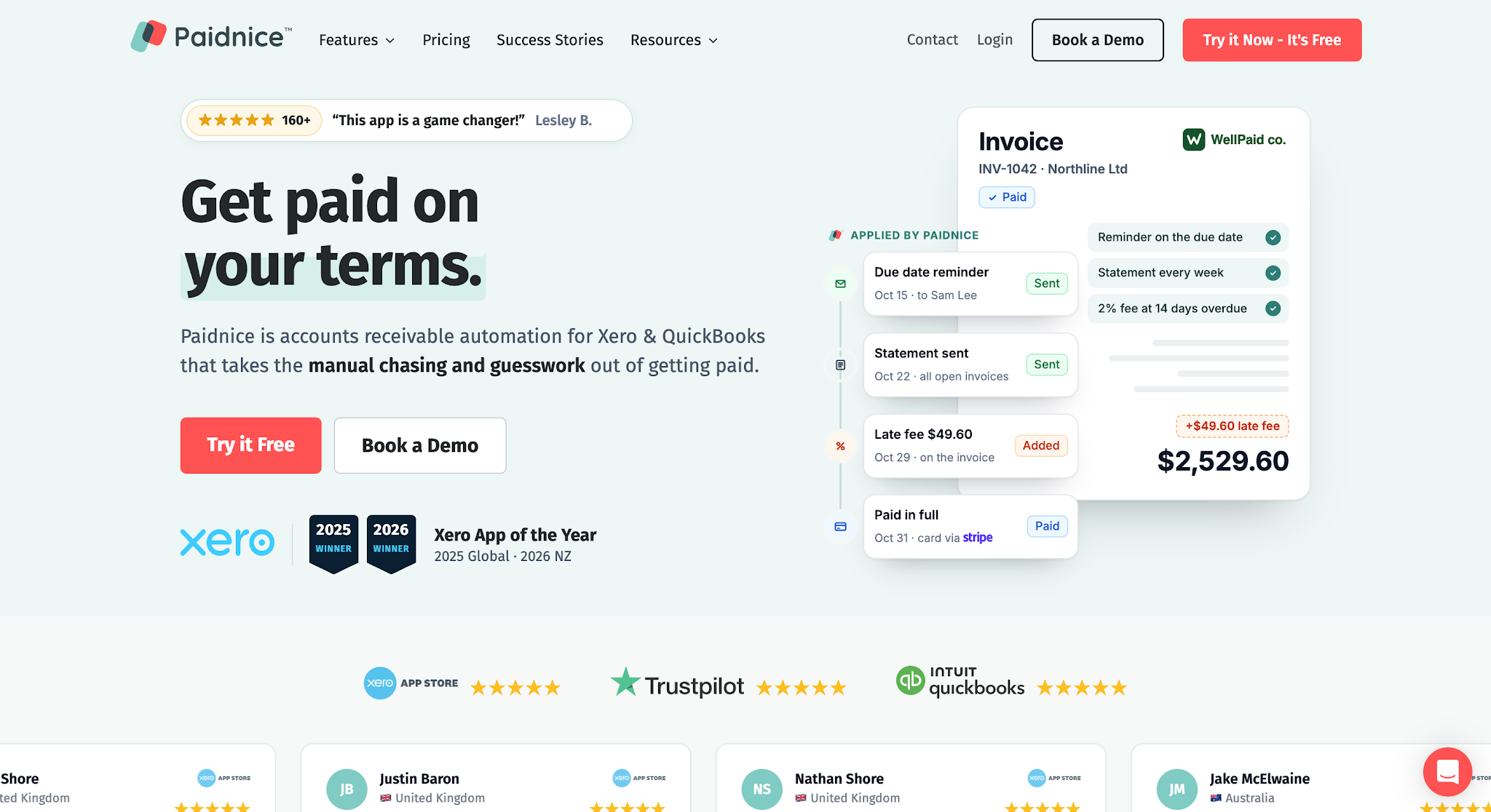
Image source: paidnice.com
Paidnice is an accounts receivable automation platform that helps businesses manage outstanding invoices and collect customer payments through their existing financial software, such as Xero and QuickBooks.
The platform serves businesses in different industries, including automotive repair shops that provide services to commercial fleet operators and trade customers.
It helps these businesses manage overdue payments from customers who receive regular invoices or have multiple outstanding balances.
Key Features
- Automated payment reminders — Sends scheduled email and SMS reminders to fleet and trade customers.
- Consolidated customer statements — Combines outstanding invoices from multiple locations under one fleet account.
- Customer payment portal — Allows customers to settle invoices through supported card and bank payment methods.
- Late fees and interest — Applies configured charges according to the business's payment terms.
- Collection escalations — Creates tasks when accounts require further collection action.
- Accounting integrations — Connects collection activity with Xero or QuickBooks Online to reduce manual data entry.
Pricing
- Essentials: $69/month — Up to 150 invoices.
- Pro: From $99/month — Starting at 300 invoices, with higher-priced volume tiers.
- Custom: From $999/month — For high-volume or specialized requirements.
5. Chaser — Best for Professional Services
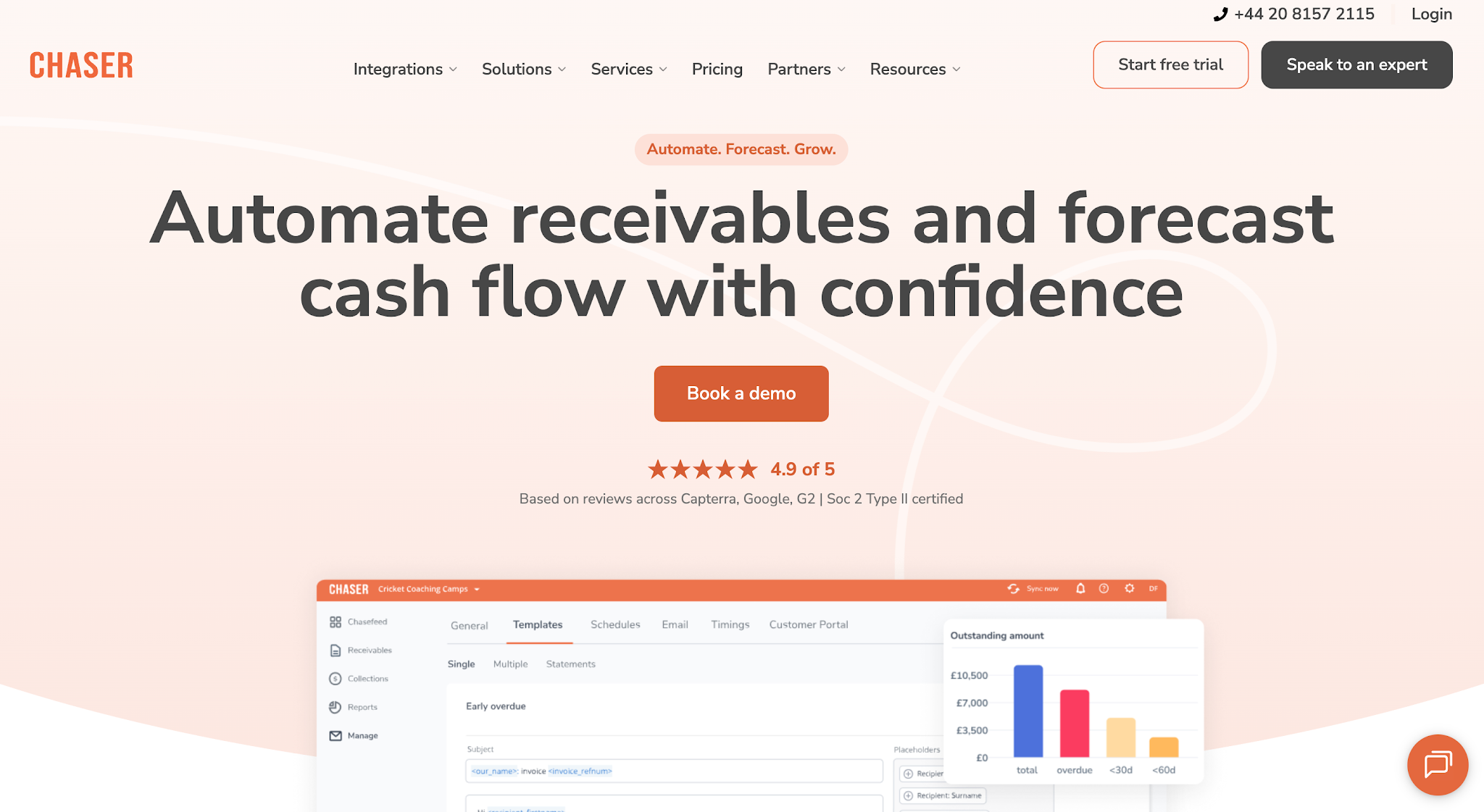
Image source: chaserhq.com
Chaser is a receivables management and credit control platform that helps businesses manage overdue invoices and collect outstanding customer payments.
The platform serves businesses in different industries, including professional services firms that regularly invoice clients for completed projects or ongoing services.
It focuses on helping these businesses manage their collections process and maintain consistent payment follow-ups while preserving customer relationships.
Key Features
- Automated payment reminders — Sends scheduled reminders to clients with unpaid invoices.
- Email and SMS communication — Allows teams to contact customers through multiple channels.
- Customer payment portal — Gives clients a way to review balances and make payments.
- Receivables forecasting — Helps finance teams estimate expected incoming payments and monitor the financial health of their receivables.
- Payment plans — Supports arrangements for customers who need to pay in installments.
- Accounting integrations — Connects with supported accounting platforms, including Xero and QuickBooks.
Pricing
- Compact: From $259/month — Includes 4 users, 30 follow-up templates, and 4 automated receivables workflows.
- Core: From $779/month — Includes unlimited users, follow-up templates, and automated receivables workflows, plus multi-entity support.
- Complete: From $1,169/month — Includes everything in Core, plus a dedicated account manager, priority support, assisted onboarding, and receivables forecasting.
- Custom: Custom pricing — Includes the Complete plan's features, with pricing tailored to businesses with higher annual revenue.
6. Thor — Best for Wholesale and Distribution
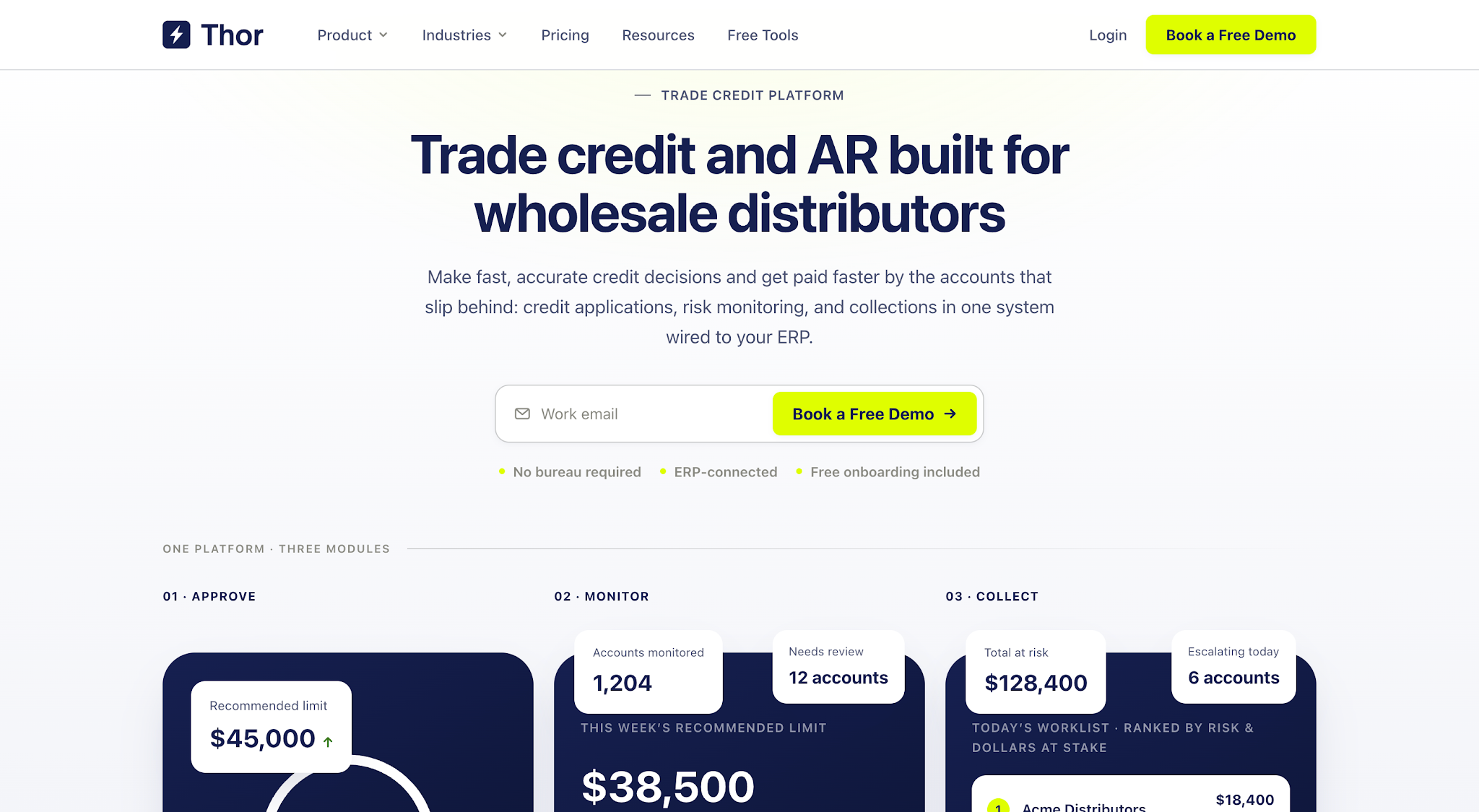
Image source: jointhor.com
Thor is a trade credit management and accounts receivable software platform designed for wholesale distributors and businesses that sell products to commercial customers on credit.
The platform helps businesses manage the credit they extend to customers, from reviewing credit applications and credit limits to monitoring customer payment behavior and collecting overdue invoices.
It focuses on managing the full trade credit and collections lifecycle, including the period before a business approves credit and the recovery process after a sale.
Key Features
- Digital credit applications — Allows distributors to collect customer credit applications online.
- Credit risk monitoring — Tracks payment trends and days sales outstanding to help businesses evaluate account risk and credit limits.
- Automated collection reminders — Sends escalating payment reminders based on invoice delinquency.
- Prioritized collection worklists — Organizes recovery workflows according to outstanding balances and account risk.
- Promise-to-pay tracking — Records payment commitments and adjusts collection activity.
- ERP integrations — Connects credit management and collections with supported accounting and ERP systems.
Pricing
Thor offers a base subscription of $350/month. It includes up to two users with access to features such as digital credit applications, credit risk monitoring, automated collections, and free onboarding and training.
Additional users are paid $250.
Key Considerations Before Investing in Debt Collection Software
Now that you have a better idea of what each debt collection software offers, the next step is to determine which one best suits your business.
Here are five key factors to consider when comparing your options.
Collection Operations and Workflow Automation
One of the first things to look for in debt collection software is how well it can automate your existing collections process.
For example, when an invoice becomes overdue, your team might send an initial reminder and wait a few days for a response. If the customer still hasn't paid, the next step might involve another reminder or a phone call.
The software should allow you to set up these follow-ups in advance so your employees don't have to manually track when to contact each customer.
However, you'll also want some flexibility in how these workflows operate. Check whether you can adjust reminder schedules, assign collection tasks to specific employees, and use dispute management controls to pause follow-ups when a customer disputes an invoice.
This helps your team optimize collection strategies by maintaining consistent follow-ups while giving employees control over accounts that need personal attention.
Visibility Into Outstanding Accounts Receivable
Beyond automating follow-ups, you'll also need a clear view of which invoices remain unpaid and what your team has already done to collect them.
Most businesses already use aging reports to see how long invoices have been outstanding. However, knowing that an invoice is 90 days overdue doesn't tell you whether someone contacted the customer yesterday or whether the customer promised to pay next week.
That's why it's important to look for software that shows payment history and collection activity alongside your outstanding invoice balances.
With that information in one place, employees can review previous communication before deciding what to do next. Managers can also identify which accounts need attention without having to ask employees for individual updates or search through separate email threads.
Integration With Existing Accounting and ERP Software
Since your business already uses accounting software to manage invoices and record payments, you'll also want to make sure your debt collection software integrates with those existing systems, including any automated billing tools you use.
For example, if your team uses QuickBooks, check whether the platform can automatically retrieve outstanding invoice information and update payment records when customers pay.
This reduces manual data entry when employees transfer invoice details between systems or reconcile payments that the collections platform hasn't recorded in the accounting software.
However, don't stop at checking whether a vendor lists your accounting software as an integration. Ask which versions it supports and what financial data the two systems can exchange so you know exactly how the integration will work for your business.
Payment Options and Customer Communication
Once you've confirmed that the software can manage collection follow-ups and connect with your accounting system, the next thing to consider is how customers will actually make their payments.
After all, sending reminders is only one part of collecting an outstanding invoice. Customers also need a convenient way to review what they owe and settle their balances.
Check whether the platform provides an online payment portal and supports the payment methods your customers typically use. You'll also want to see whether customers can access their invoices directly from the reminders they receive.
At the same time, consider how the software manages communication with those customers.
If several employees handle collections, they should be able to review previous messages and payment discussions before contacting someone again.
This helps prevent duplicate reminders and allows employees to maintain customer relationships without repeatedly asking for the same information.
Industry-Specific Collection Requirements
Finally, consider whether the software can support the collection strategies your particular industry requires.
Businesses don't always follow the same process when collecting payments.
For example, construction suppliers need compliance and data security features that account for lien notices and waiver requirements, while property managers need to manage overdue rent according to their rental agreements.
Restoration companies face a different situation because collecting payment for completed work can involve homeowners and insurance carriers. This means employees need to keep track of who is responsible for payment and who they should contact when an invoice remains outstanding.
With these differences in mind, ask vendors to demonstrate how their software handles a collection scenario that reflects your business's actual process.
That way, you can see whether the platform supports the work your employees perform rather than relying entirely on the features listed on its website.
When Should You Invest in Dedicated Debt Collection Software?
If your business has a growing number of overdue invoices and your team struggles to keep up with collections, it's time to consider dedicated debt collection management software.
The clearest sign is when your existing process starts affecting how quickly you collect payments. Your employees may spend too much time reviewing aging reports and managing follow-ups, yet overdue accounts still go without attention.
As late payments continue, your business has less cash available to cover operational costs and take on new work.
At that point, improving collections requires more than asking employees to follow up more frequently. You need a process that keeps collection activity consistent without increasing your team's workload.
Dedicated debt collection platforms help improve recovery outcomes by automating routine follow-ups and giving employees a clearer view of accounts that need attention.
This improves operational efficiency by helping your team manage growing receivables without adding more administrative staff.
Collect Outstanding Payments Faster With AR Workflow
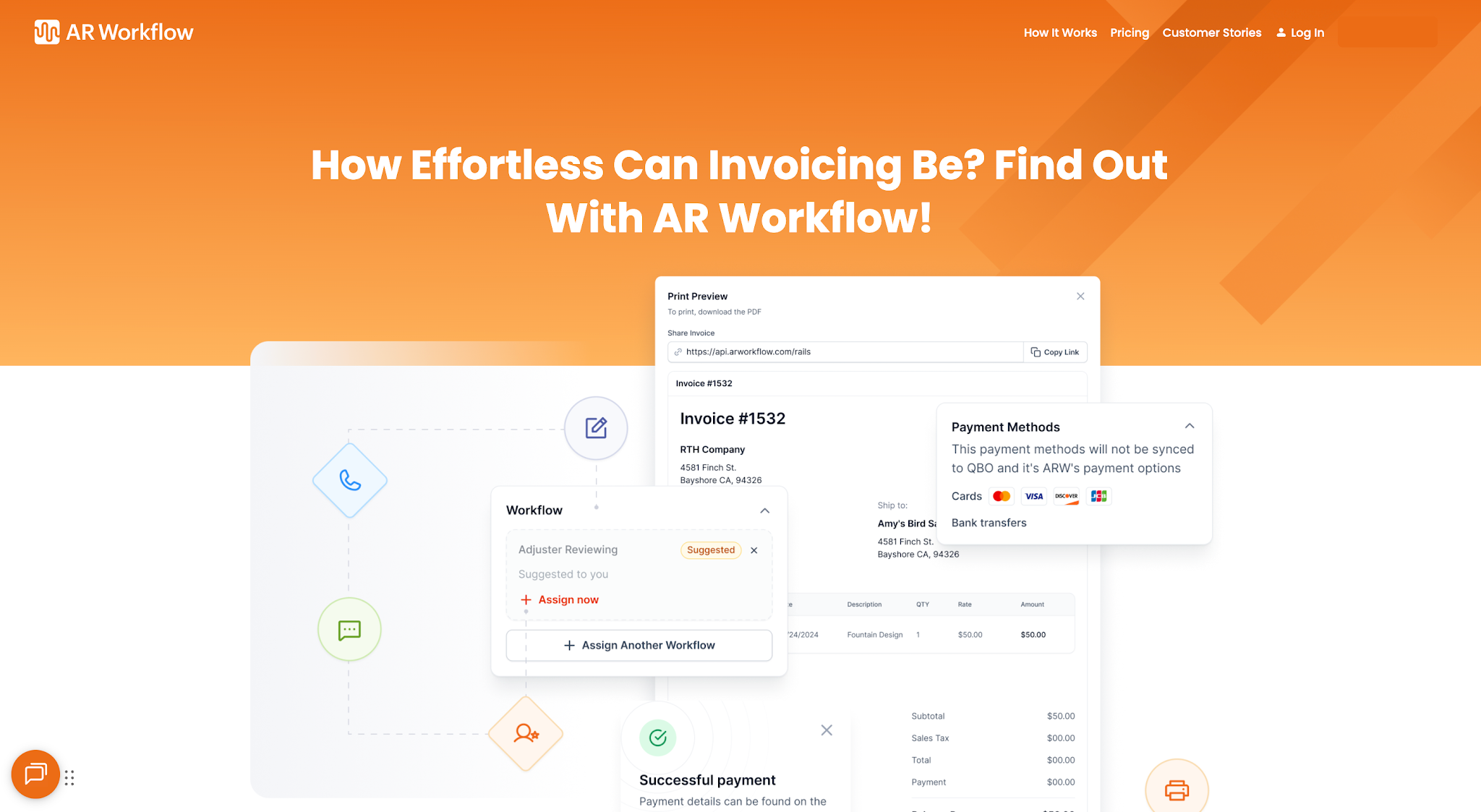
The right debt collection software depends on how your business handles unpaid invoices. Before choosing a platform, make sure it supports the collection activities your team performs and works with your existing financial systems.
If you're in the disaster restoration industry, AR Workflow is the best place to start. The platform specifically addresses the collection challenges restoration contractors face, helping your team stay on top of outstanding payments and maintain consistent follow-ups without relying on manual tracking.
With AR Workflow managing those routine follow-ups, your team can keep overdue invoices from slipping through the cracks and give your business a better chance of collecting payments before they become a bigger cash flow problem.
FAQs About Debt Collection Software
How to remove debt from collections?
If a collection agency is pursuing a debt you owe, start by requesting verification of the balance and confirming who currently owns the debt.
If the debt is incorrect, you can dispute it with the collection agency or the relevant credit bureau. If the debt is valid, you can pay or negotiate a settlement, although the collection account may still appear on your credit report even after you settle the balance.
What is the best software for accounts payable and receivable?
The right software depends on which financial tasks your business needs to manage. Accounting platforms such as QuickBooks support accounts payable and accounts receivable records.
Dedicated accounts receivable management platforms such as AR Workflow focus more specifically on collecting outstanding customer payments, while other tools specialize in supplier payments or broader financial management.
What happens if you don't pay debt recovery?
If you don't pay a valid outstanding debt, the creditor or collection agency might continue collection efforts. Depending on the agreement and applicable law, the debt could also lead to additional charges or legal proceedings.
If you receive a collection notice, verify the debt and review your available payment or dispute options before responding.